


Video Sources 67 Views Report Error
Synopsis
Review of movie “The Godfather”:
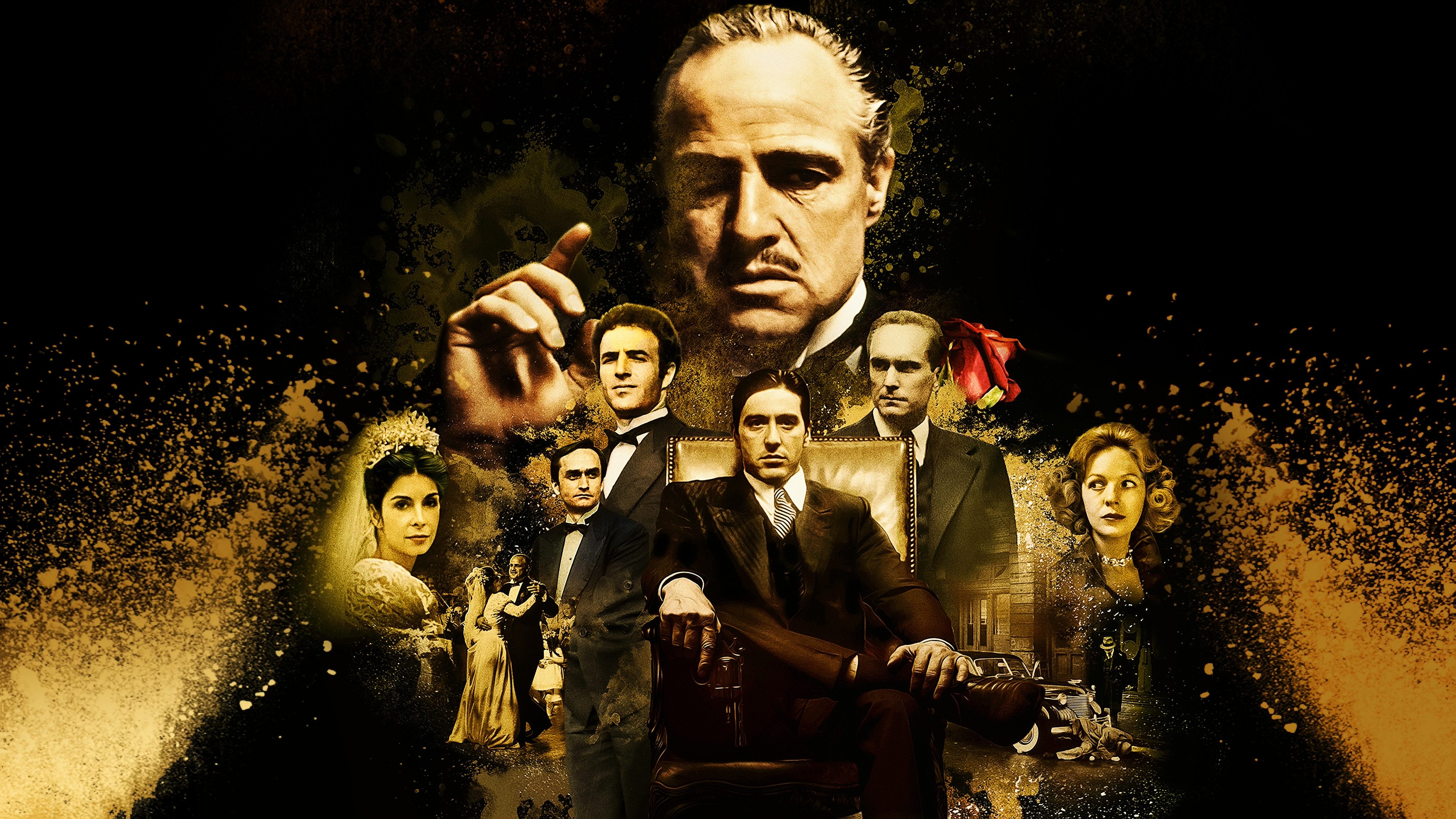
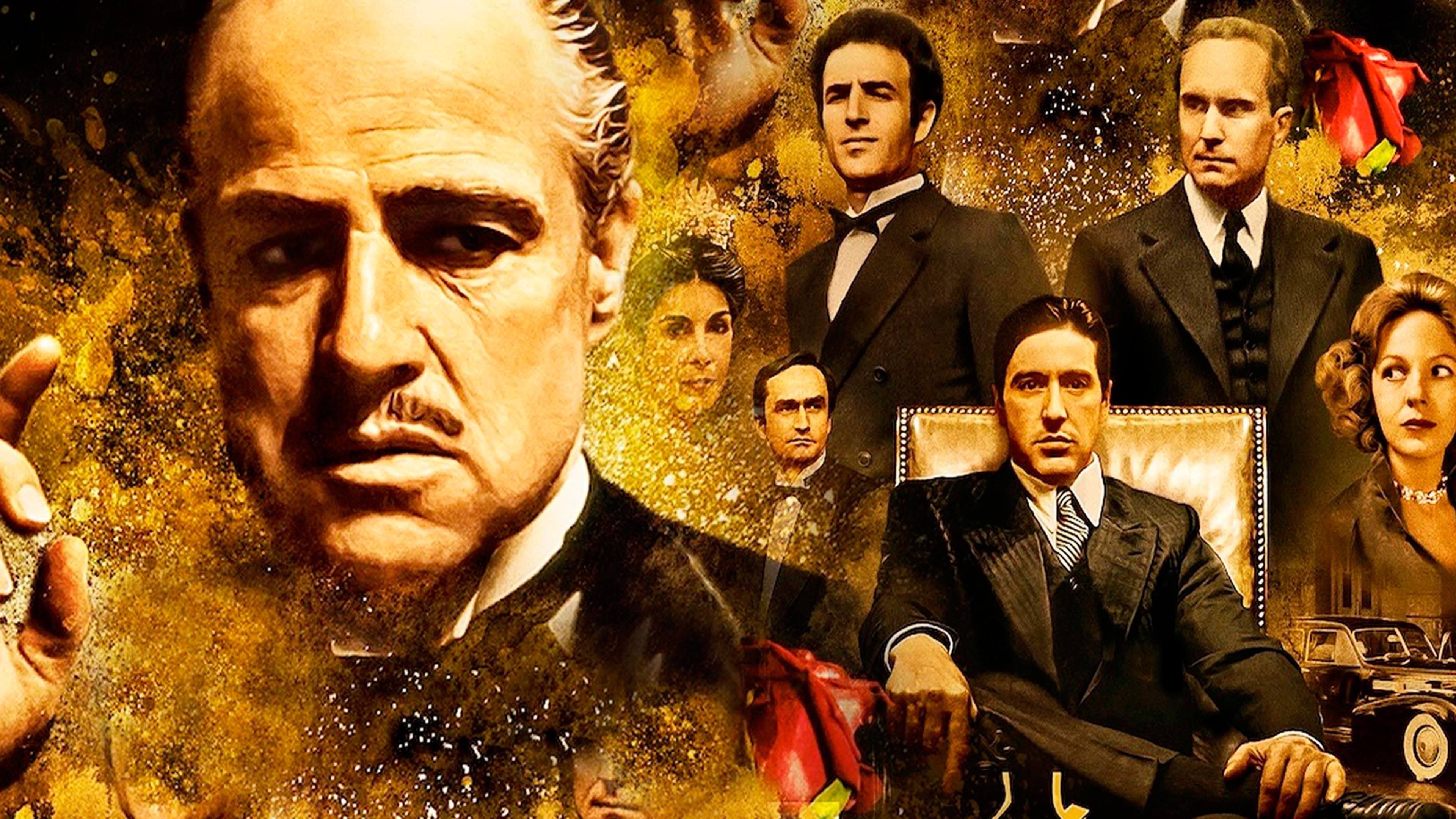
Few films in cinematic history manage to blend myth, morality, and meticulous craftsmanship with the elegance of The Godfather. Released in 1972 under Francis Ford Coppola’s direction, the film is more than a crime saga—it is an exploration of power, loyalty, and the corrosion of the human soul under the weight of tradition and necessity. What sets it apart is the way it fuses the structure of classical tragedy with the conventions of the gangster genre, elevating pulp material into an operatic meditation on America itself.
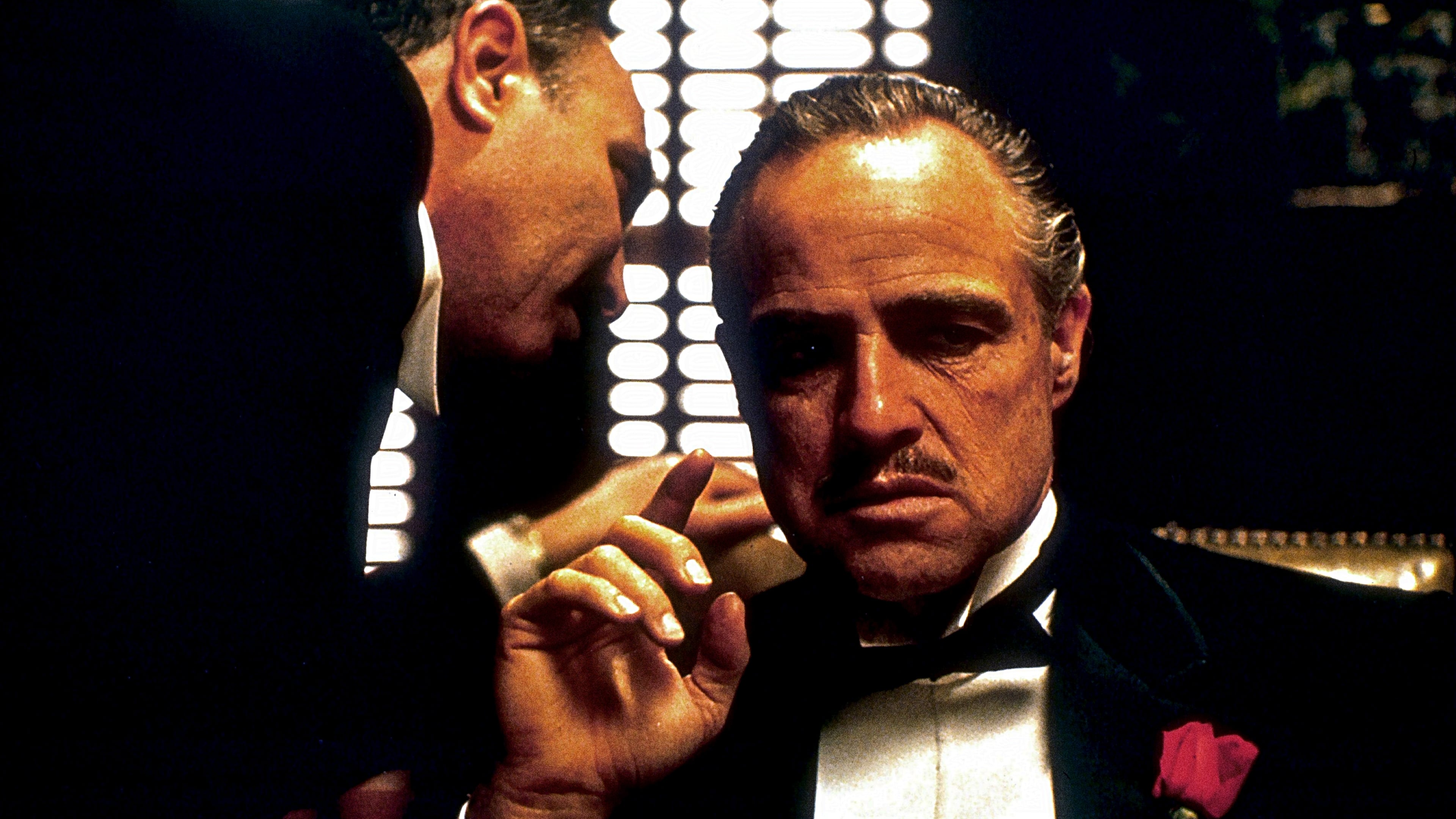
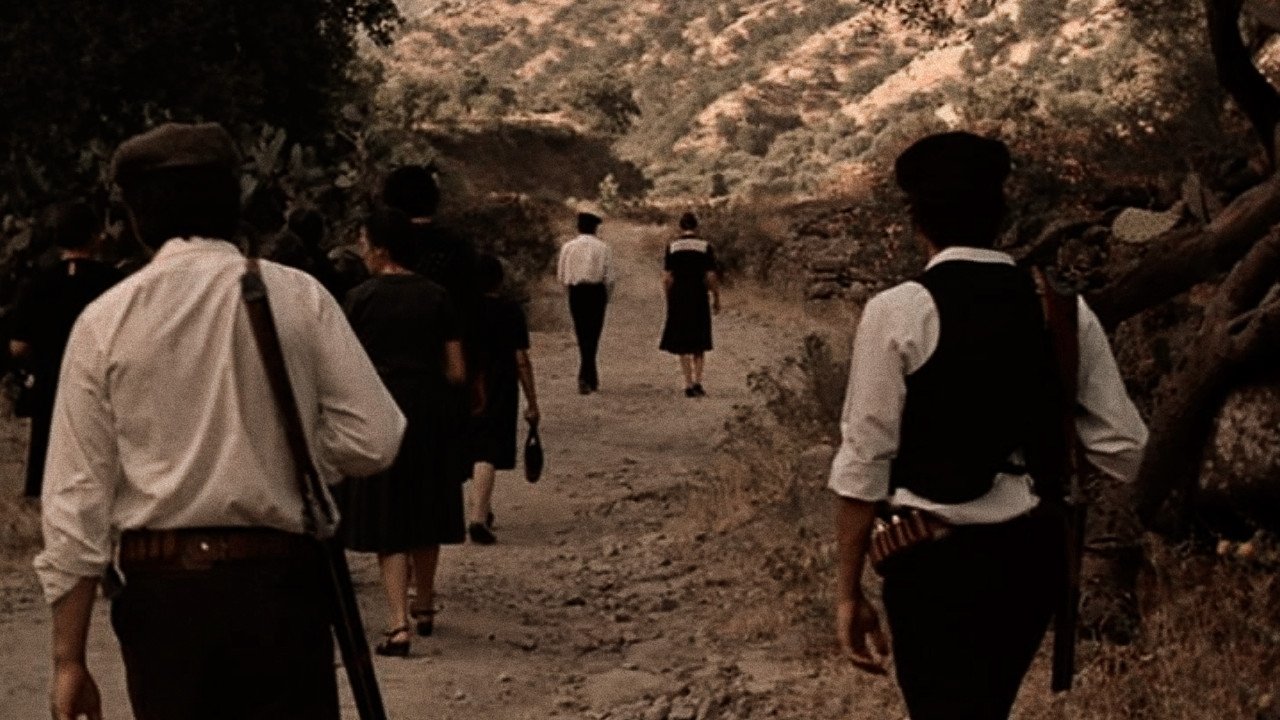
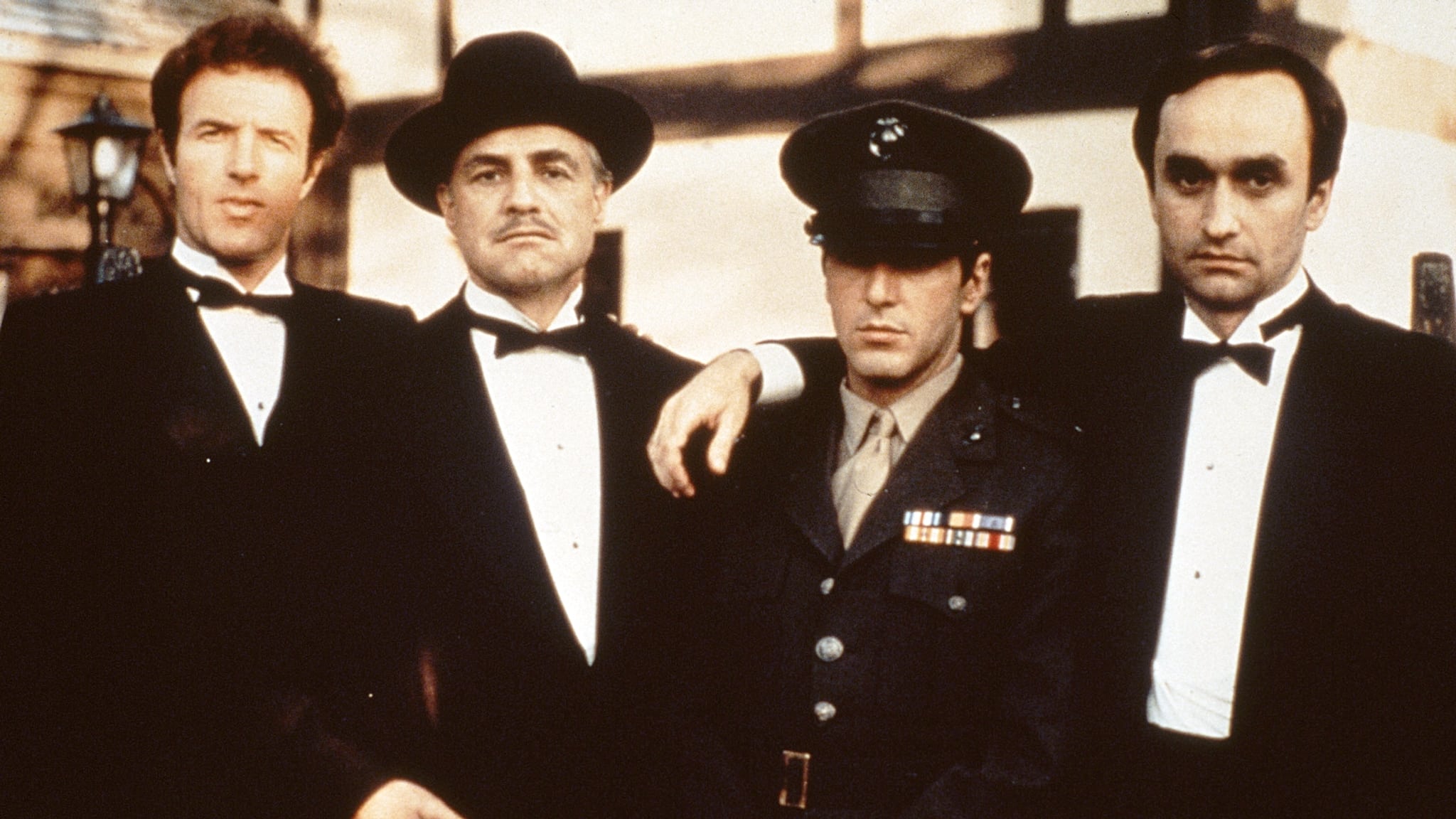
At its core, The Godfather follows Michael Corleone’s reluctant transformation from war hero to calculating mafia leader. This arc embodies one of cinema’s most striking narrative progressions, a descent that feels both inevitable and chillingly rational. Coppola’s use of long takes and deliberate pacing underscores the family’s rituals and codes, creating a rhythm that contrasts sudden bursts of violence with moments of stillness and intimacy. The chiaroscuro lighting, deeply inspired by Renaissance painting, frames characters in moral ambiguity—neither fully condemned nor glorified, but perpetually oscillating between devotion and betrayal.
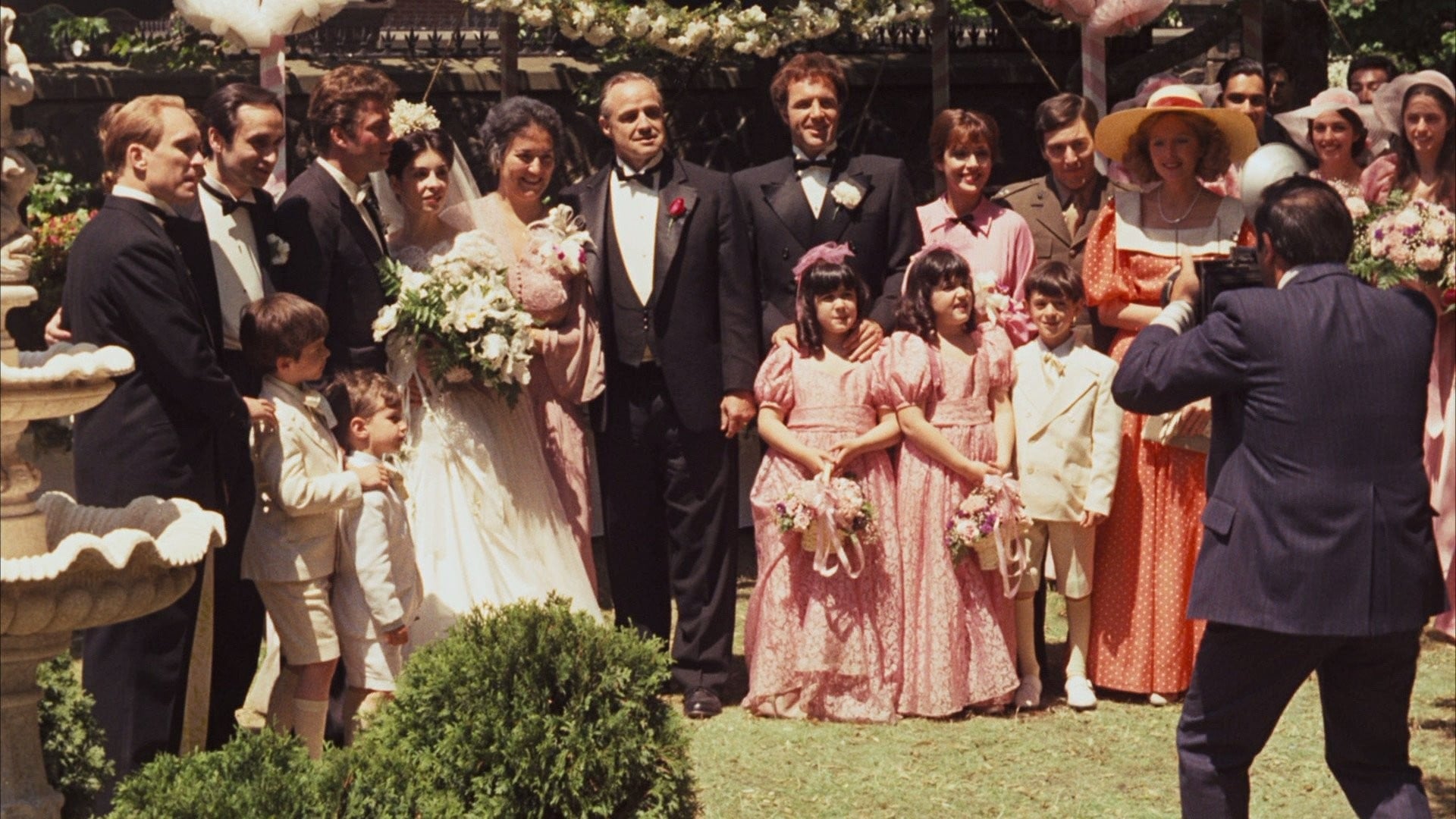
The film also thrives on its treatment of family as both sanctuary and prison. Every banquet, wedding, and baptism ritual reflects continuity and belonging, yet simultaneously binds its members in a cycle of blood and silence. The juxtaposition of Michael’s godson’s baptism with the execution of rival dons epitomizes the duality of sacred and profane, a structural irony that crystallizes the essence of the narrative: power is preserved through sacrifice, often at the cost of the soul.
Curiosities about production—such as Brando’s decision to stuff his cheeks to create Don Vito’s iconic voice or the studio’s initial resistance to casting Al Pacino—become more than trivia when considered in context. They reveal how fragile and contingent the birth of a masterpiece can be, and how artistic insistence over commercial compromise shaped a film that now feels timeless.
Ultimately, The Godfather achieves its status because it transcends genre. It is not just a story of organized crime, but of inheritance, identity, and the seductive, corrosive nature of power. The film compels us to witness Michael’s gradual corruption, not with sensationalism, but with the quiet inevitability of fate, leaving us haunted by the final image of a door closing—a simple gesture that resonates like a verdict on human ambition.

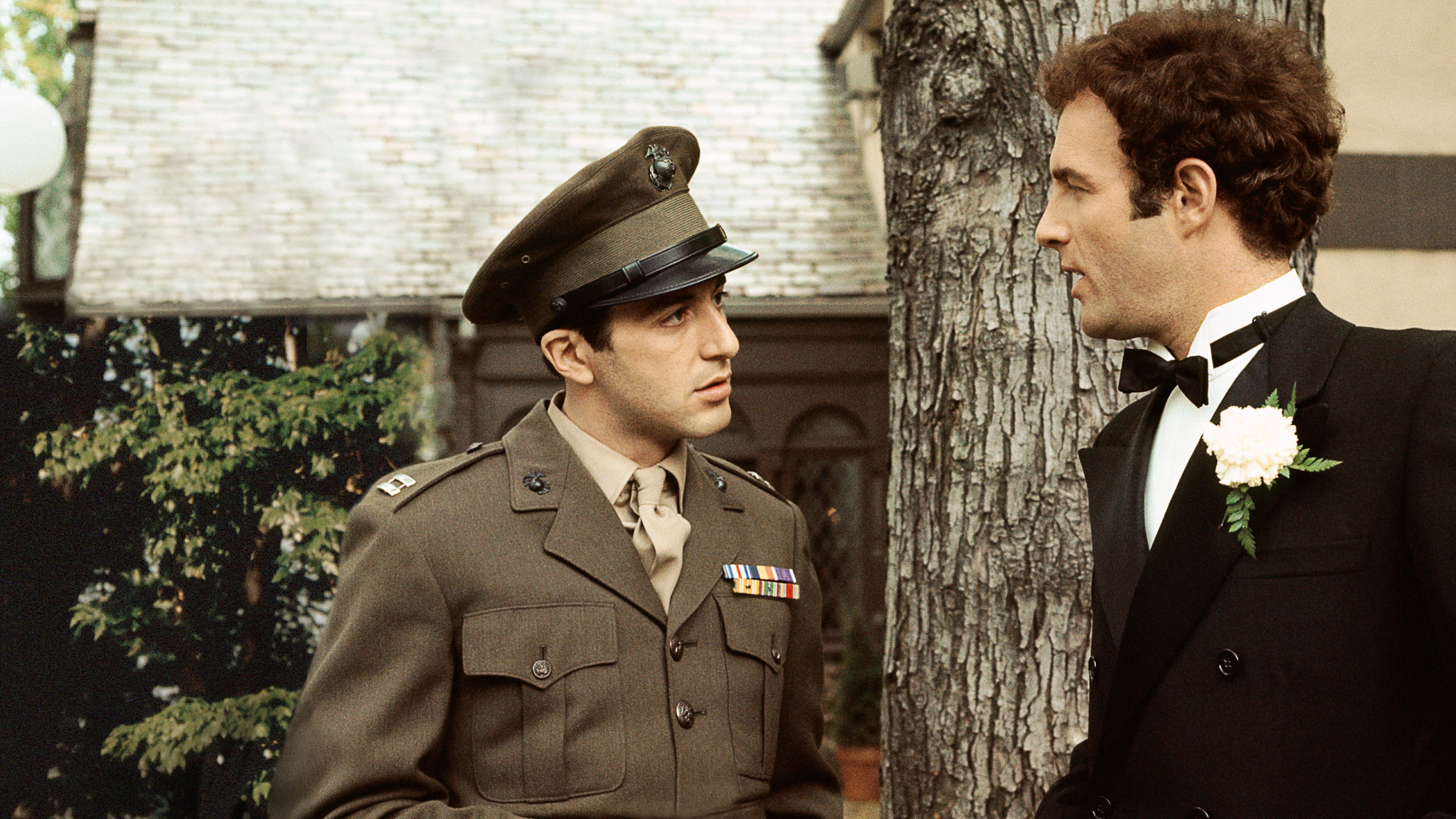
Original title The Godfather
IMDb Rating 9.2 2,161,207 votes
TMDb Rating 8.685 21,848 votes
Director

Director
Cast
Don Vito Corleone

Michael Corleone

Sonny Corleone

Tom Hagen

Clemenza

Kay Adams

Connie Corleone Rizzi

Carlo Rizzi

Captain McCluskey
Jack Woltz
Similar titles


